· Mayank Kashyap · 3 min read
Is Your Neck Swollen? Signs That It Could Be a Thyroid Problem
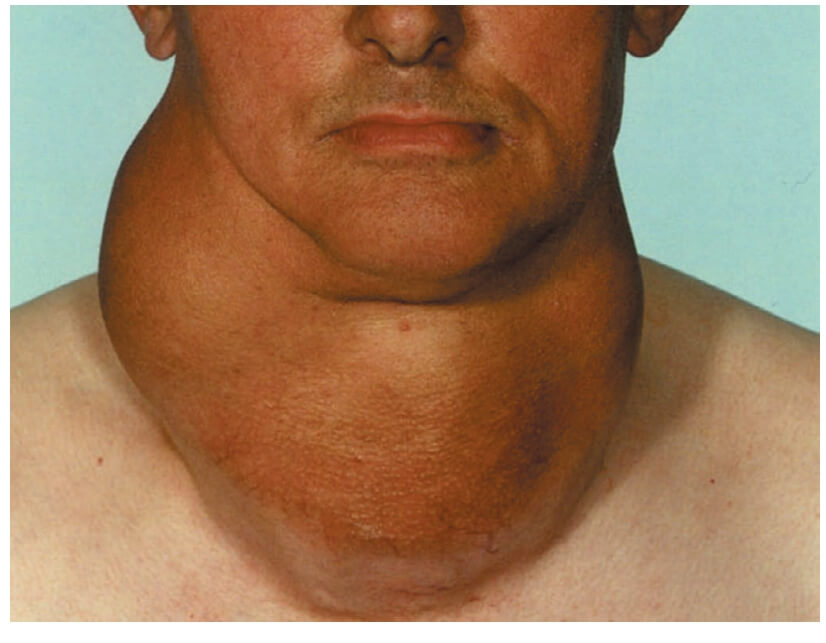
Have you recently noticed a lump, fullness, or swelling at the front of your neck? Many people ignore it at first—thinking it's just weight gain or muscle tension
Is Your Neck Swollen? Signs That It Could Be a Thyroid Problem
Have you recently noticed a lump, fullness, or swelling at the front of your neck?
Many people ignore it at first—thinking it’s just weight gain or muscle tension—until it starts becoming uncomfortable.
But in many cases, a swollen neck can be linked to your thyroid gland, the tiny butterfly-shaped organ that plays a big role in your metabolism, energy, and hormones.
Where Exactly Is the Thyroid Located?
Your thyroid sits in the front of your neck, just below the Adam’s apple.
So if you feel swelling or see a bump in that area, especially when swallowing, it might be related to your thyroid.
Common Thyroid-Related Causes of Neck Swelling
Neck swelling due to thyroid issues is usually caused by one of the following:
Goiter: An enlargement of the thyroid gland.
Thyroid nodules: Lumps that form inside the thyroid (most are harmless).
Thyroiditis: Inflammation of the thyroid gland.
Hyperthyroidism or hypothyroidism: Hormone imbalance can sometimes cause gland swelling.
Iodine deficiency: A common reason for goiter in certain regions.
Signs Your Thyroid May Be Causing Neck Swelling
If your swelling is thyroid-related, you may notice one or more of the following:
A visible bulge at the base of your neck
Neck tightness or discomfort
Difficulty swallowing (feels like food gets “stuck”)
Hoarseness or voice changes
Frequent throat clearing or cough
Breathing difficulty when lying down
Other Symptoms That May Point to a Thyroid Problem
Along with swelling, watch for symptoms linked to thyroid hormone imbalance:
If it’s Hypothyroidism (Underactive Thyroid):
Fatigue
Weight gain
Dry skin and hair
Feeling cold
Constipation
If it’s Hyperthyroidism (Overactive Thyroid):
Unexplained weight loss
Fast heartbeat
Anxiety or irritability
Heat intolerance
Tremors
When Should You See a Doctor?
Not all neck swelling is serious, but you should definitely get checked if:
The swelling is growing over time
You have difficulty swallowing or breathing
Your voice becomes hoarse
You feel pain or tenderness in the neck
You notice sudden weight changes or unexplained tiredness
A simple ultrasound and thyroid blood test (TSH, T3, T4) can help identify the cause quickly.
Can Neck Swelling Be Prevented?
Sometimes, yes. Ensuring your diet has enough iodine, managing stress, and getting regular thyroid checks—especially if thyroid problems run in your family—can help catch issues early.
| Category | Hyperthyroidism (Overactive Thyroid) | Hypothyroidism (Underactive Thyroid) |
|---|---|---|
| Energy Levels | Feeling anxious, restless, hyperactive | Fatigue, sluggishness, low energy |
| Weight Changes | Unexplained weight loss despite eating more | Weight gain even with normal diet |
| Heart | Fast heartbeat (palpitations), increased pulse | Slow heartbeat (bradycardia) |
| Temperature Tolerance | Heat intolerance, excessive sweating | Cold intolerance, feeling chilled |
| Appetite | Increased appetite | Decreased appetite |
| Mood & Mental Health | Irritability, anxiety, nervousness | Depression, forgetfulness, mood swings |
| Sleep | Difficulty sleeping, insomnia | Excessive sleepiness |
| Skin & Hair | Warm, moist skin; thinning hair | Dry skin, hair loss, brittle nails |
| Digestive System | Frequent bowel movements or diarrhea | Constipation |
| Menstrual Cycle | Light or irregular periods | Heavy or irregular periods |
| Neck/Thyroid | Possible thyroid swelling (goiter) | Possible thyroid swelling (goiter) |
| Muscles | Muscle weakness, trembling hands | Muscle cramps, stiffness |
| Eyes | Bulging eyes (in Graves’ disease) | Puffy face or eyes |
| Metabolism | Increased metabolism | Slowed metabolism |
| Category | Hyperthyroidism (Overactive Thyroid) | Hypothyroidism (Underactive Thyroid) |
|---|---|---|
| Autoimmune Disorders | Graves’ disease (most common cause) | Hashimoto’s thyroiditis (most common cause) |
| Iodine-Related Effects | Jod–Basedow phenomenon (excess iodine intake triggers hyperthyroidism, especially in people with nodular thyroid disease) | Wolff–Chaikoff effect (excess iodine temporarily suppresses thyroid hormone production, sometimes leading to hypothyroidism) |
| Thyroid Inflammation | Thyroiditis (initial “thyroid hormone leak” causing temporary hyperthyroidism) | Chronic thyroiditis causing reduced hormone output |
| Iodine Levels | Excess iodine from diet, supplements, contrast dyes | Iodine deficiency |
| Medications | Excessive thyroid hormone medication | Lithium, amiodarone, anti-thyroid drugs |
| Thyroid Nodules | Toxic multinodular goiter or overactive nodules | Nonfunctional nodules damaging thyroid tissue |
| Pituitary Gland Issues | Rare: TSH-secreting pituitary tumor | Low TSH due to pituitary failure |
| Post-Pregnancy | Postpartum thyroiditis (initial hyper phase) | Postpartum thyroiditis (later hypo phase) |
| Radiation Exposure | — | Radiation to the neck or radioactive iodine treatment |
| Surgery | — | Partial or total thyroid removal |
| Genetics | Family history of Graves’ disease | Family history of Hashimoto’s or hypothyroidism |
Final Thoughts
Neck swelling may seem like a small issue, but your thyroid plays a huge role in your overall health.
If something doesn’t feel right, listen to your body. Early detection makes treatment simpler and more effective.
Your neck speaks — make sure you’re listening.