· Mayank Kashyap · 2 min read
Different types of shock
According to Love and Bailey's "A Short Practice of Surgery", shock is defined as a state of circulatory inadequacy with impaired tissue perfusion leading to cellular hypoxia and dysfunction.
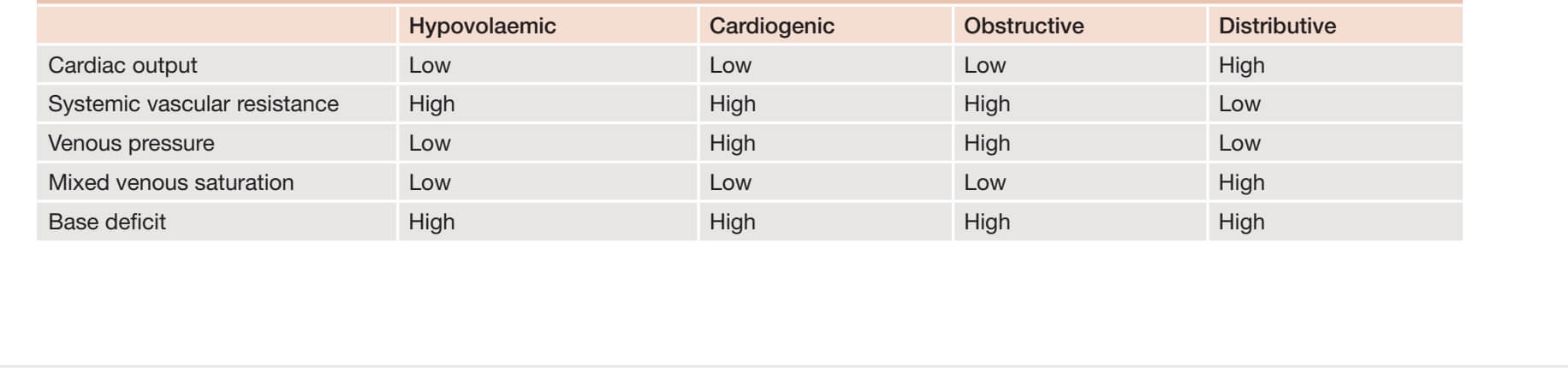
There are different types of Shock
Hypovolemic shock
Cardiogenic shock
Distributive shock
Neurogenic shock
Anaphylactic shock
Warm septic shock
Septic shock
Understanding Shock: A Clinical Overview
According to Love and Bailey’s “A Short Practice of Surgery”, shock is defined as a state of circulatory inadequacy with impaired tissue perfusion leading to cellular hypoxia and dysfunction.
Key Concepts
Shock represents an imbalance between oxygen delivery and oxygen demand at the cellular level
It is a life-threatening condition requiring immediate recognition and intervention
Early diagnosis and treatment are crucial to prevent irreversible organ damage
Classification of Shock According to Love & Bailey
Hypovolemic Shock
Caused by reduced circulating blood volume due to:
Hemorrhage (trauma, GI bleeding)
Fluid loss (burns, diarrhea, vomiting)
Third-space fluid sequestration
Cardiogenic Shock
Results from primary cardiac dysfunction:
Myocardial infarction
Cardiomyopathy
Arrhythmias
Valvular heart disease
Obstructive Shock
Caused by mechanical obstruction to blood flow:
Cardiac tamponade
Tension pneumothorax
Pulmonary embolism
Constrictive pericarditis
Distributive Shock
Characterized by abnormal distribution of blood flow:
Septic shock (most common)
Anaphylactic shock
Neurogenic shock
Endocrine causes
Clinical Stages of Shock
| Stage | Clinical Features | Hemodynamic Changes |
|---|---|---|
| Initial/Compensated | * Mild tachycardia * Normal BP or mild hypotension * Cool, pale skin | * Increased sympathetic tone * Redistribution of blood flow * Compensatory mechanisms active |
| Progressive/Decompensated | * Marked tachycardia * Hypotension * Oliguria * Confusion/agitation | * Compensatory mechanisms failing * Impaired tissue perfusion * Metabolic acidosis developing |
| Refractory/Irreversible | * Profound hypotension * Anuria * Coma * Multiple organ failure | * Cellular death and necrosis * Irreversible organ damage * High mortality despite treatment |
Management Principles
General Approach
Airway: Ensure patent airway with cervical spine protection if indicated
Breathing: Administer high-flow oxygen, consider mechanical ventilation
Circulation:
Establish IV access (large bore)
Fluid resuscitation
Control bleeding
Monitoring: Continuous monitoring of vital signs, urine output
Type-Specific Management
Hypovolemic Shock
Fluid resuscitation with crystalloids/colloids
Blood transfusion if hemorrhagic
Identify and control source of bleeding
Cardiogenic Shock
Inotropic support
Afterload reduction if appropriate
Mechanical circulatory support in selected cases
Septic Shock
Early appropriate antibiotics
Source control
Vasopressor support
Corticosteroids in refractory cases
References
Love, R. J. M., & Bailey, H. (Latest Edition). A Short Practice of Surgery. London: Edward Arnold.
Chapter on Shock and Blood Transfusion in Love & Bailey’s textbook
Advanced Trauma Life Support (ATLS) Guidelines
Surviving Sepsis Campaign Guidelines
Key Learning Points from Love & Bailey
“The successful management of shock depends on early recognition, prompt resuscitation, and identification and treatment of the underlying cause.”
- Love & Bailey, A Short Practice of Surgery
This educational blog is based on the surgical textbook “A Short Practice of Surgery” by Love and Bailey.
For medical professionals and students only. Always consult current guidelines and local protocols.